
The Psychology Behind Slot Machines
The psychology behind slot machines is a fascinating interplay of reward systems and cognitive biases that make them incredibly alluring to players. At the core of this allure is the anticipation of winning, which triggers the brain’s reward circuitry and releases dopamine—a neurotransmitter linked to feelings of pleasure and satisfaction. For those interested in exploring options, neosurf casino instant withdrawal australia offers a seamless experience that keeps players engaged. When players pull the lever or press the button, they engage in a ritual that heightens their excitement. This anticipation creates a euphoric sensation when they do hit a winning combination, reinforcing their behavior and encouraging them to return for more, often without being fully aware of the unfavorable odds they face.
Equally significant is the concept of “near misses,” which plays a pivotal role in reinforcing addictive behavior. A near miss occurs when players see two symbols land on the payline, with just one more needed to win. The brain interprets this as an almost win, provoking excitement and generating a false sense of hope. This phenomenon can create a compelling loop of behavior, where players are driven by the belief that their next spin could break the cycle of almost winning. As a result, they find themselves investing more time and money in the machines, chasing that elusive victory that seems just within reach.
Moreover, operators are acutely aware of these psychological triggers and design their machines accordingly. Everything from the sounds of coins clinking to the visually stimulating graphics and light effects is meticulously crafted to enhance the overall experience. These immersive elements create an environment that encourages players to lose track of time and money, making it easy for them to mistake their gameplay for pure entertainment rather than a gamble. This sophisticated orchestration of sensory experiences contributes significantly to the addictive nature of slot machines.
The Role of Randomness and Rewards
The fundamental randomness of slot machines adds an intriguing layer to their addictive nature. Each spin is an independent event, which means that players are constantly faced with the thrill of unpredictability. This randomness instills a sense of hope and excitement, as players often believe that their luck can change at any moment. While the odds are mathematically calculated to ensure the house maintains an advantage, players tend to focus on the small wins or break-even moments, reinforcing their belief in the potential for luck and drawing them back to the machines.
The reward structure inherent in slot machines also plays a crucial role in fostering addiction. Many machines utilize a variable reward system, where the payout can fluctuate, creating a sense of intermittent reinforcement. This unpredictable reward system keeps players engaged because they are never quite sure when they might hit it big. The suspense associated with waiting for a payout heightens the excitement, leading to longer play sessions as players remain optimistic about future rewards. Such a structure is designed to keep players on the edge of their seats, encouraging them to play just one more spin.
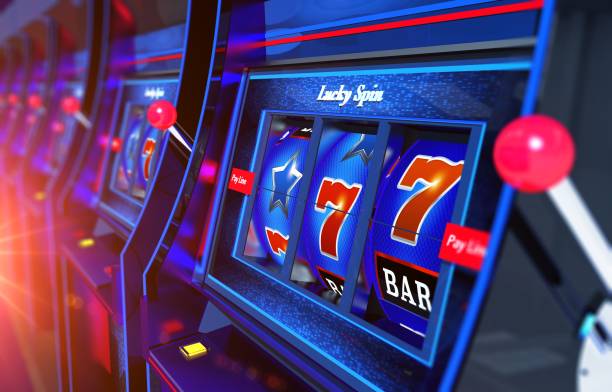
Additionally, modern slot machines often feature progressive jackpots that accumulate based on player contributions, further enhancing their allure. The prospect of winning life-changing sums of money can entice players to invest more into the machines, with the belief that each spin brings them closer to a significant win. This combination of randomness, variable rewards, and the potential for massive payouts creates a compelling and addictive environment that is hard for many to resist.
The Environment of Casinos
The ambiance of a casino plays an integral role in the addictive nature of slot machines. These establishments are meticulously designed to create immersive environments that stimulate all the senses. The sounds of ringing coins, the flashing lights of the machines, and the overall atmosphere of excitement contribute to a euphoric experience for players. This sensory overload can disorient players, making it easy for them to lose track of time and money while they are engrossed in their gameplay.
Strategic placement of slot machines is another factor enhancing their addictive quality. Casinos often situate these machines near entrances or along busy walkways, ensuring they are highly visible and accessible. This strategic positioning not only draws players in but also keeps them engaged through a constant stream of visual and auditory stimuli. As players navigate the casino floor, they may feel an irresistible urge to play, further compounding their time and financial investment in the machines.
Moreover, the social dynamics within casinos can amplify the allure of slot machines. Many players enjoy the communal aspect of gaming, sitting alongside others and sharing their experiences, celebrating wins, and creating a sense of camaraderie. This social interaction can enhance the overall experience, making it more enjoyable and encouraging players to return. The combination of environmental factors, social interactions, and sensory stimulation all contribute to the addictive nature of slot machines within the casino ecosystem.
The Technology Behind Modern Slots
The advancement of technology has dramatically transformed the landscape of slot machines, making them more engaging and addictive than ever. Modern machines utilize sophisticated software algorithms known as random number generators (RNGs) to ensure that each spin is not only independent but also random. While this technology aims to create a fair chance for players, it also means that the outcomes can be unpredictable, keeping players on their toes. Features like bonus rounds, free spins, and interactive mini-games have been introduced to enhance engagement, adding layers of excitement to the gaming experience.

Additionally, the integration of captivating graphics and animations has elevated the player experience beyond mere spinning reels. Modern slots often tell a story or follow a theme, creating an immersive narrative that captivates players’ imaginations. This storytelling aspect entices players to continue playing, as they become invested in the unfolding plot or chase specific bonus features that promise added rewards. The blend of engaging narratives and interactive gameplay has significantly increased the appeal of slot machines.
Furthermore, the rise of mobile technology and online gaming has made slot machines more accessible than ever. Players can now indulge in their favorite games anytime and anywhere, which can lead to increased playtime and the potential for addiction. The convenience of mobile slots allows players to engage in gaming experiences on the go, blurring the lines between casual gaming and compulsive behavior. As technology continues to evolve, it further enhances the addictive potential of these games, necessitating a mindful approach to gaming habits.
Understanding the Need for Responsible Gambling
Recognizing the addictive nature of slot machines is essential for players to cultivate responsible gambling practices. Understanding how psychological, behavioral, and environmental factors intertwine can empower individuals to manage their gaming habits proactively. Setting limits on the time and money spent on slot machines is crucial for ensuring that players approach their gaming experience as a form of entertainment rather than a means to address financial challenges. By maintaining awareness of their limits, players can enjoy their experience without falling into the trap of compulsive gambling.
In response to the growing concern over gambling addiction, many casinos are implementing responsible gambling initiatives. These measures often include providing information on responsible gaming practices, offering self-exclusion programs, and promoting awareness of the risks associated with gambling. By encouraging players to set time limits and providing resources for those who may need help, casinos can foster a healthier gaming environment. Educating players about addiction risks empowers them to make informed choices, enhancing their overall gaming experience.
Moreover, community organizations and advocacy groups are increasingly working to raise awareness about gambling addiction and the support available for affected individuals. Open discussions surrounding gambling addiction can help reduce stigma and encourage those in need to seek assistance. By fostering an environment of understanding and openness, we can work towards a sustainable gaming culture that prioritizes player well-being while still allowing for the enjoyment of games. Ultimately, responsible gambling practices benefit both players and the industry, creating a healthier gaming landscape for all.