
The Nature of Luck in Gambling
Luck plays a pivotal role in the world of gambling, often acting as a double-edged sword. It embodies the randomness inherent in games of chance, which can lead to significant wins or devastating losses. Players frequently attribute their fortunes to luck, believing that sheer chance is what determines the outcome of their bets, especially when trying their luck at the rocket game casino experience. This unpredictable element keeps the thrill alive, inviting both seasoned veterans and novices to partake in the gamble, regardless of their skill level.
Understanding how luck operates within various games is crucial. For instance, in games like slots and roulette, outcomes are purely random, relying heavily on chance rather than strategy. However, in card games such as poker, while luck also plays a role, the skill of the player can influence the game’s outcome significantly. This blend of luck and skill creates an intriguing dynamic that keeps players engaged and hopeful, as they strive to understand and master the art of gambling.
The belief in luck often shapes the decisions players make, from the games they choose to play to their betting amounts. Many gamblers have their own rituals, charms, or lucky symbols that they believe enhance their chances of winning. This psychological aspect of luck in gambling can be fascinating, as it not only affects individual mindsets but can also create shared experiences among players, as they exchange stories of miraculous wins or heartbreaking losses.
The Role of Skill versus Luck
In the gambling landscape, a perennial debate exists between skill and luck. While luck can certainly swing the odds in a player’s favor, skillful players often find ways to minimize their losses and maximize their wins. For example, in poker, understanding probabilities, reading opponents, and employing strategic betting can significantly boost a player’s success. Thus, while luck can deliver a shocking win, it is skill that maintains a player’s long-term success.
Many gambling enthusiasts argue that games of skill allow a knowledgeable player to have a distinct advantage. Over time, these players tend to win more frequently than those relying solely on luck. This notion doesn’t discount the randomness present in gambling but acknowledges that adept players can consistently adjust their strategies and make informed choices based on their experience and understanding of the game.
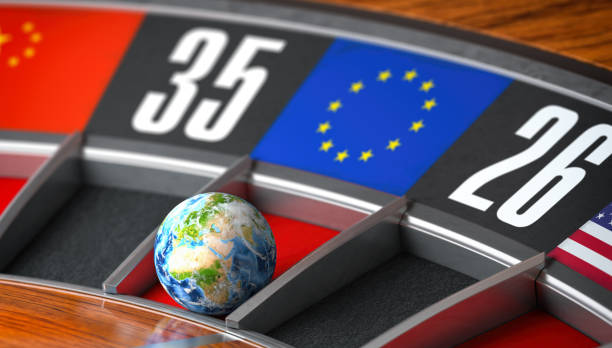
Moreover, the relationship between skill and luck can be illustrative of broader life lessons. In both gambling and life, individuals often find themselves at the mercy of fate. The ability to adapt, remain resilient, and embrace both good and bad fortune can define success, be it at the poker table or in everyday circumstances. This duality encourages players to nurture their skills while remaining open to the unpredictable nature of luck.
The Psychological Impact of Luck on Gamblers
The psychology behind luck in gambling can have profound impacts on players’ behaviors and choices. When individuals experience a streak of good luck, it can create an emotional high, often leading them to take risks they might usually avoid. Conversely, a series of unfortunate events can lead to a negative spiral, prompting players to chase their losses in hopes of regaining their fortune. This psychological tug-of-war can influence betting patterns and ultimately results in both gains and losses.
The concept of the “gambler’s fallacy” further illustrates the psychological complexity of luck. This is the belief that past outcomes influence future results in games of chance. For example, if a particular number hasn’t been drawn in a while, some players may feel it is due for a win. This misinterpretation of probability can lead to misguided betting decisions and potentially significant losses. Understanding these cognitive biases is essential for gamblers who wish to break free from the emotional restraints that luck can impose.
Additionally, social interactions in gambling settings often affect perceptions of luck. Players frequently share anecdotes of their luck, which can amplify feelings of hope and anticipation. Whether in a casino or an online platform, the shared experiences of winning or losing can build a sense of community, with players rallying around a collective belief in luck. This shared narrative can reinforce the exhilarating highs of winning and magnify the lows of losing, making the experience of gambling all the more impactful.
Strategies to Optimize Luck in Gambling
Although luck is inherently unpredictable, players can adopt strategies to optimize their chances of success. One approach is to choose games with a higher return-to-player (RTP) percentage. Games that offer better RTPs statistically provide more favorable odds over time, balancing the element of luck with a strategic approach. This knowledge allows players to make more informed choices about where to allocate their time and money.

Additionally, bankroll management is crucial for gambling success. By setting limits on losses and wins, players can create a buffer that allows them to ride out the natural waves of luck more effectively. This pragmatic approach can help players avoid the pitfalls associated with emotional decision-making driven by recent outcomes, thus providing a clearer perspective on how to navigate their gambling experiences.
Moreover, choosing the right time to gamble can also be beneficial. Some players believe that their luck is influenced by external factors such as the time of day or the ambiance of the gambling environment. While this may sound subjective, many find that they perform better when they feel relaxed and confident. Creating a positive atmosphere can lead to a more enjoyable experience, potentially enhancing one’s luck in the process.
Explore More About Luck in Gambling
If you’re eager to dive deeper into the fascinating dynamics of luck in gambling, there are many avenues to explore. Various resources and platforms offer insights into how luck and skill intertwine, and how players can enhance their experiences. Understanding the psychology behind gambling, as well as incorporating strategic methodologies, can significantly improve your approach and enjoyment of different games.
Learning from seasoned players through forums, blogs, and communities can also offer valuable perspectives. Sharing experiences and strategies fosters a richer understanding of how luck influences outcomes, and it provides a supportive environment where players can exchange tips, techniques, and personal stories. Whether you are a casual player or a dedicated gambler, expanding your knowledge can lead to more rewarding experiences.
Engaging in this exploration not only adds depth to your understanding of the role of luck but also encourages responsible gambling practices. As you navigate through the ups and downs inherent in gambling, keep in mind that luck is just one piece of a much larger puzzle. Embracing both the thrill of chance and the wisdom of strategy can lead to a fulfilling and entertaining journey in the world of gambling.